






Ryse: Son of Rome Could Have Become Xbox’s Historical Rival to Assassin’s Creed
```html
Ryse: Son of Rome is considered one of the clearest examples of a promising franchise that disappeared before it had a real chance to grow.
The game was released in November 2013 as one of the launch titles for Xbox One, delivering a cinematic action experience set in a fictional version of Ancient Rome, with players taking on the role of the Roman soldier Marius Titus.
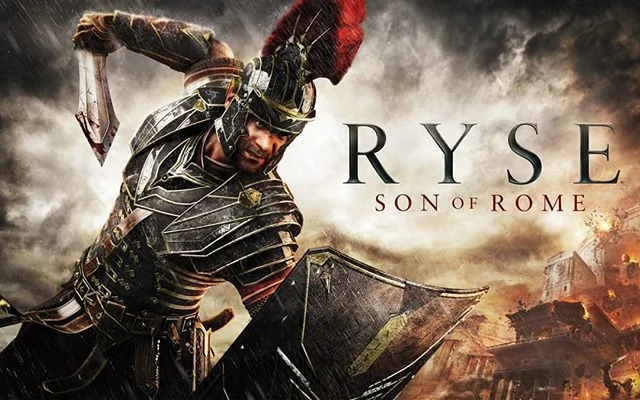
Despite receiving mixed and average reviews, the game earned significant praise for its visual quality, cinematic direction, historical atmosphere, and high production values.
More importantly, Crytek did not view Ryse as a standalone game whose story would end with a single installment.
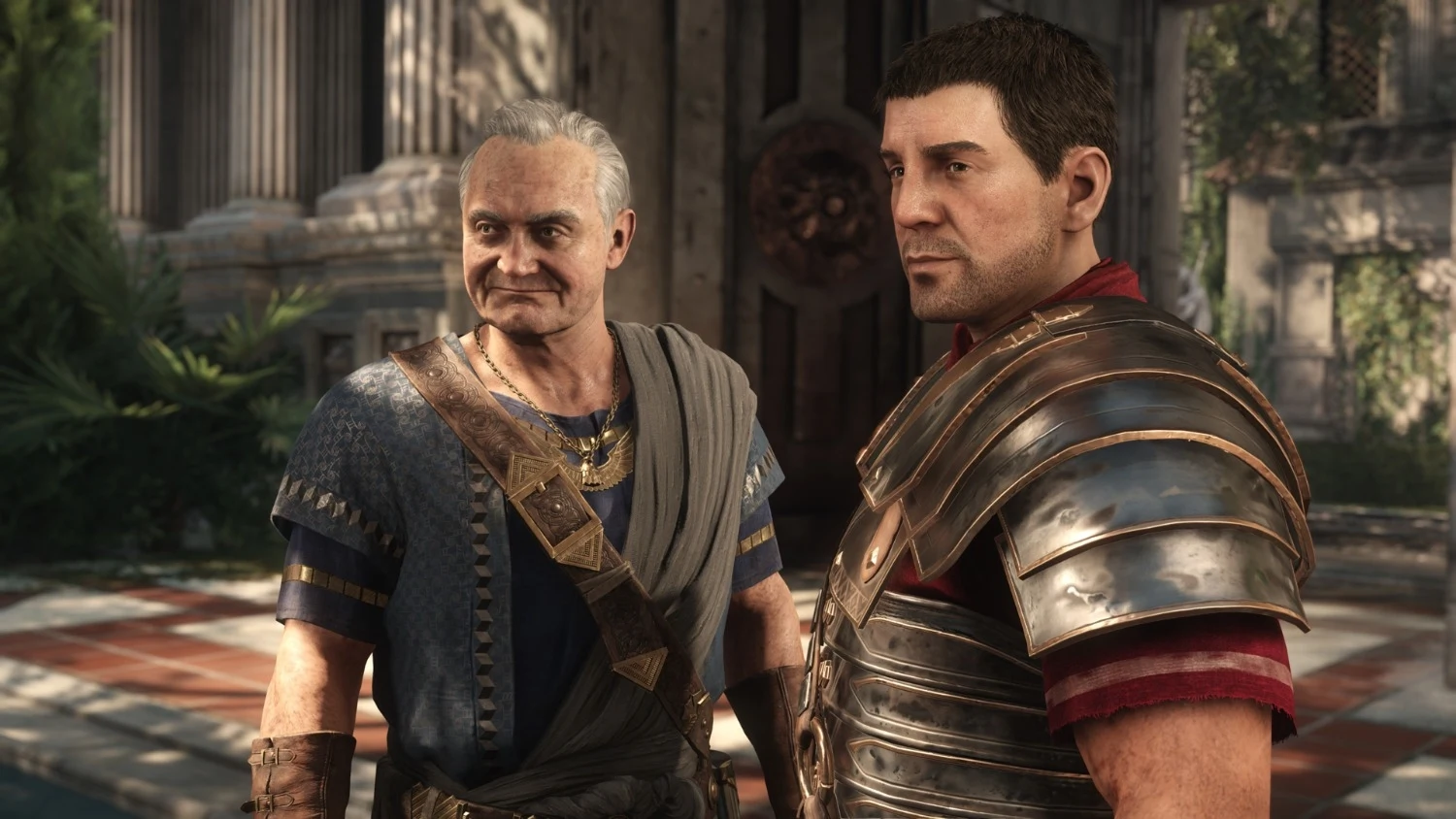
Cevat Yerli, the studio’s former CEO, indicated that Ryse was not designed to be a one-time project, but could have served as the beginning of a new franchise.
This opened the door to the idea of future installments moving to different characters and historical periods, which led many players to imagine what the franchise could have become if it had continued.
Among the periods most commonly associated with this idea in fan discussions and older reports were the Viking era, feudal Japan, and the Ottoman Empire, all of which would have naturally suited a series built around close combat and massive historical battles.
Had this direction continued, Ryse could have become Xbox’s answer to Assassin’s Creed, with each installment moving to a new civilization and historical era.
The first game already had some of the elements needed to build that kind of franchise.
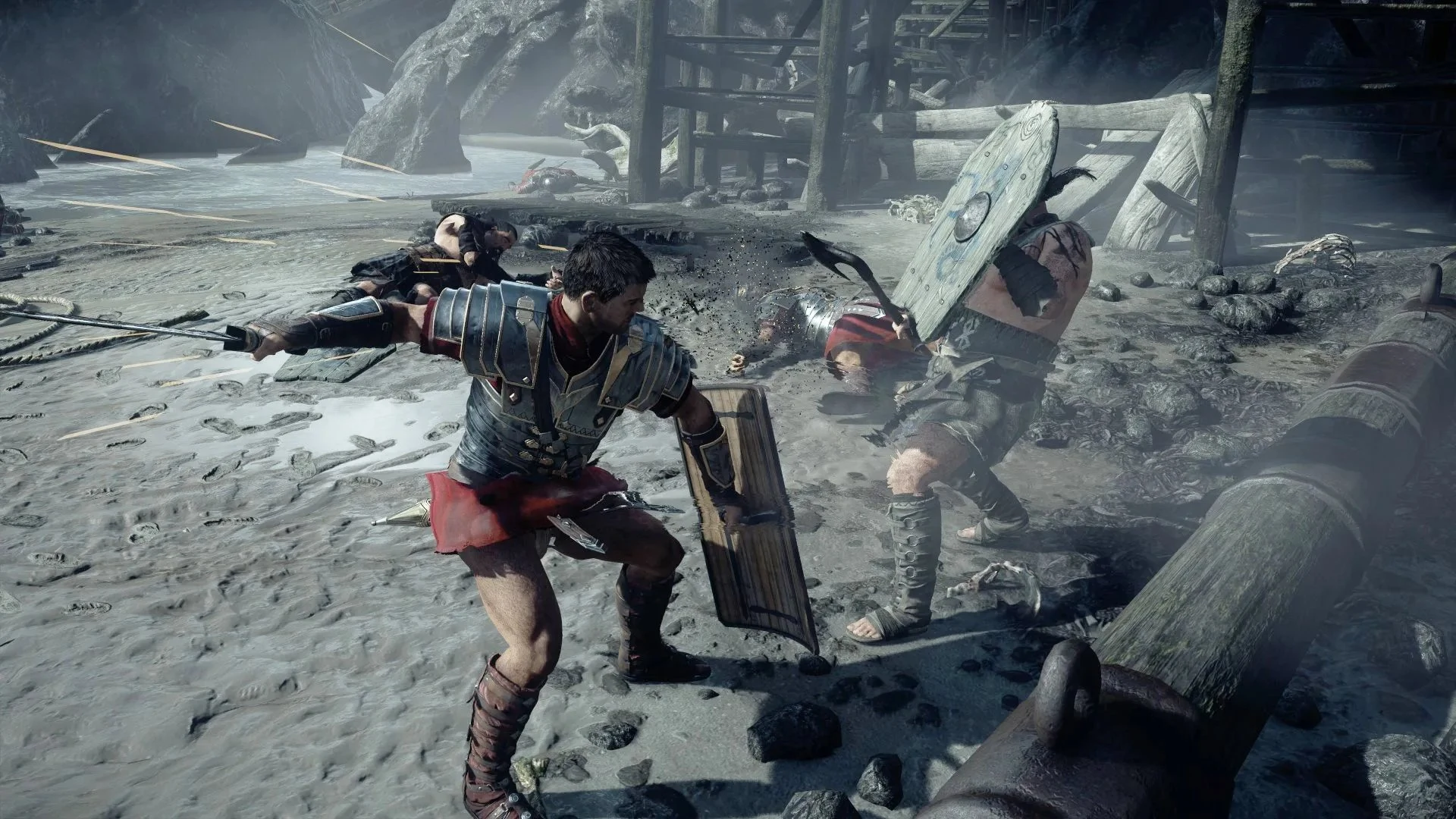
The game delivered a cinematic story, brutal sword combat, large-scale battles, highly detailed environments, and a clear historical identity. Its close camera perspective and execution moves also gave it a distinctive visual style compared to other action games at the time.
However, the future of the franchise faced several problems early on.
Even though exact sales figures were never publicly revealed, Crytek officials later expressed disappointment with the game’s commercial performance on Xbox One. The company itself also went through financial difficulties and restructuring afterward, making the situation even more complicated.
However, the biggest issue was related to the intellectual property rights.
According to reports, Microsoft was willing to fund the development of a sequel, but wanted ownership of the Ryse rights in return. Crytek refused to give up ownership, and the project did not move forward after that. Later, Cevat Yerli denied that the sequel had been permanently canceled, while confirming that the positive relationship between the two companies continued.
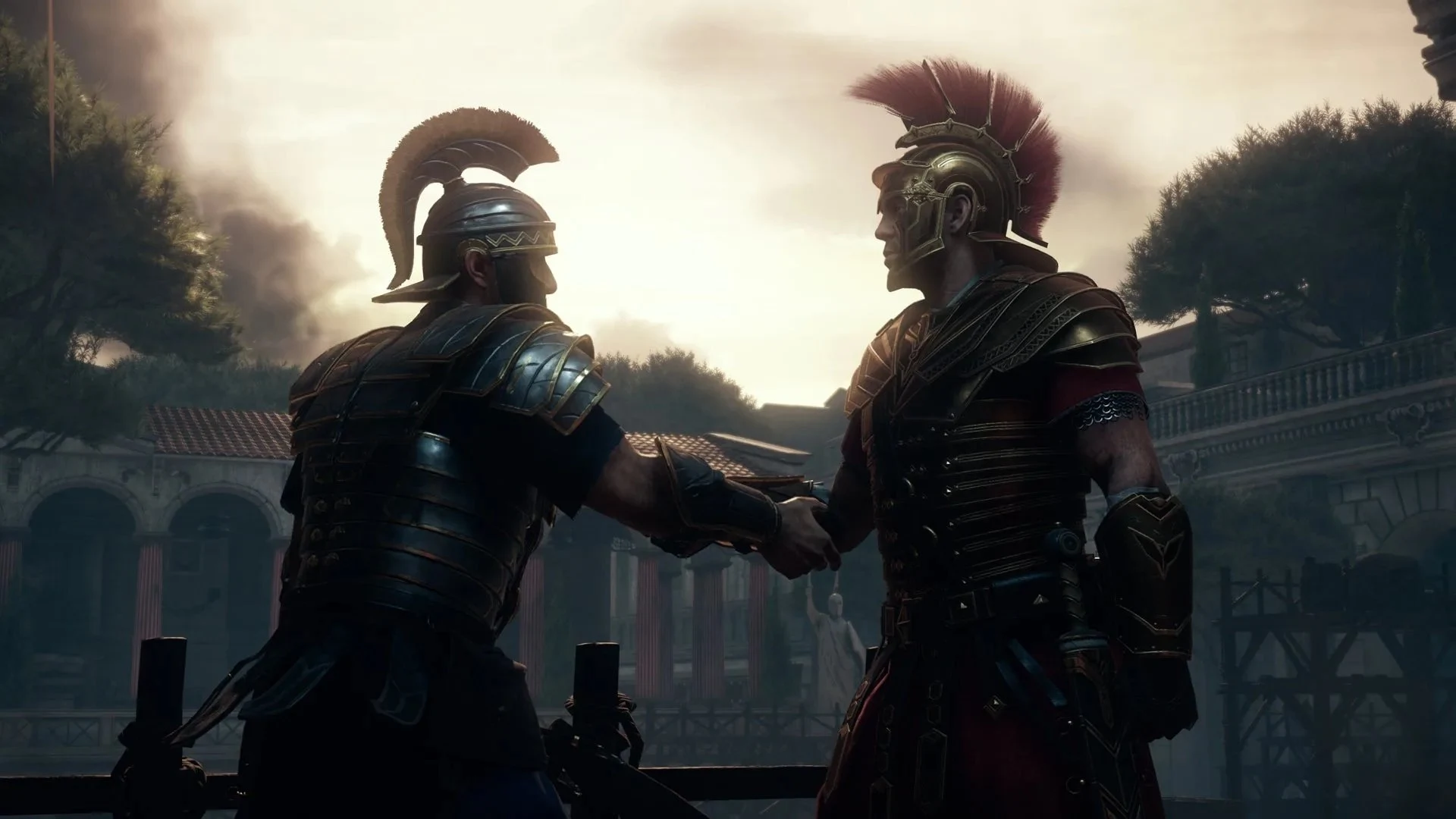
As a result, Ryse entered a state of limbo.
Crytek retained ownership of the franchise, but no full new installment was ever released, turning a game that could have become one of Xbox’s most important historical titles into a one-off experience.
This is where the most frustrating part of Ryse’s story lies.
The game was not perfect. Its combat system was criticized for being repetitive, and the campaign was relatively short. However, it also had a strong identity and a concept that could have been significantly developed with each new installment.
A second game could have introduced a deeper combat system, broader exploration, greater character progression, and moved the franchise into a completely different civilization.
The idea of following different warriors across different eras and civilizations could have given Ryse a structure similar to Assassin’s Creed, but with its own style focused more heavily on direct cinematic combat and massive historical battles.
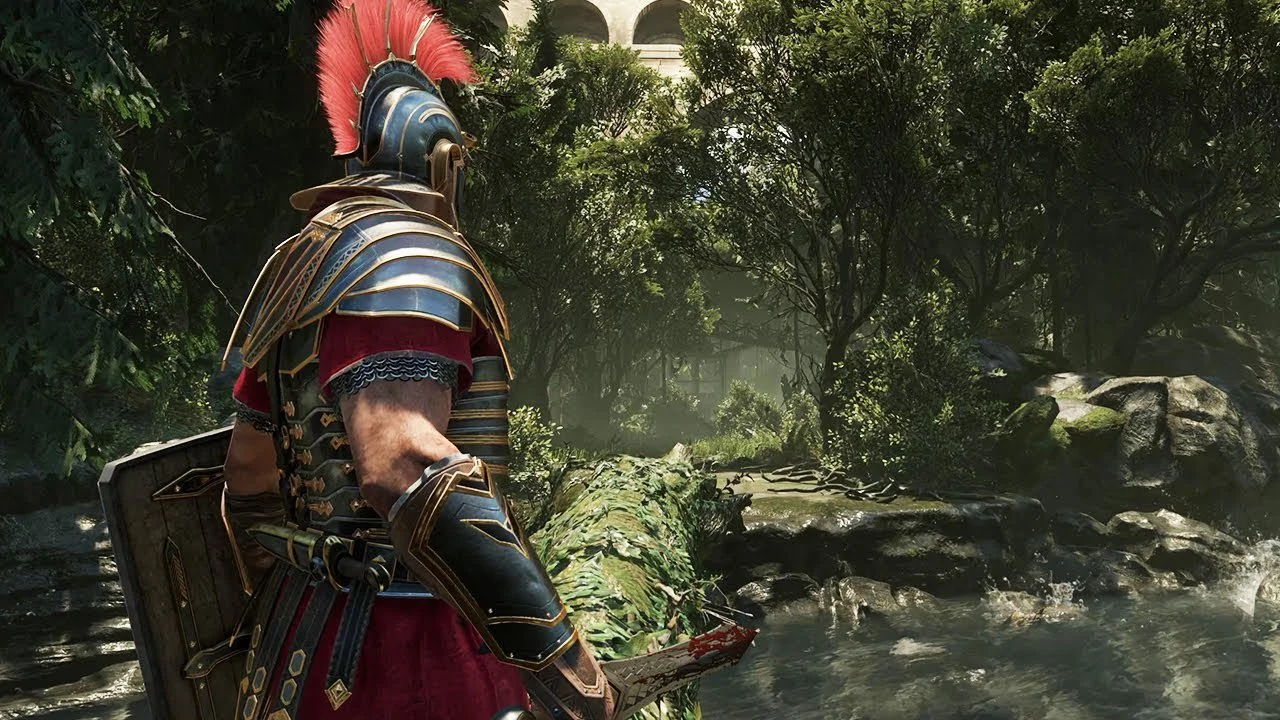
Instead, Ryse became one of gaming’s most famous “what if?” stories.
More than a decade after its release, players still discuss the possibility of its return or a new installment. That fact alone shows that the game left a much stronger impression than its short life as a franchise might suggest.
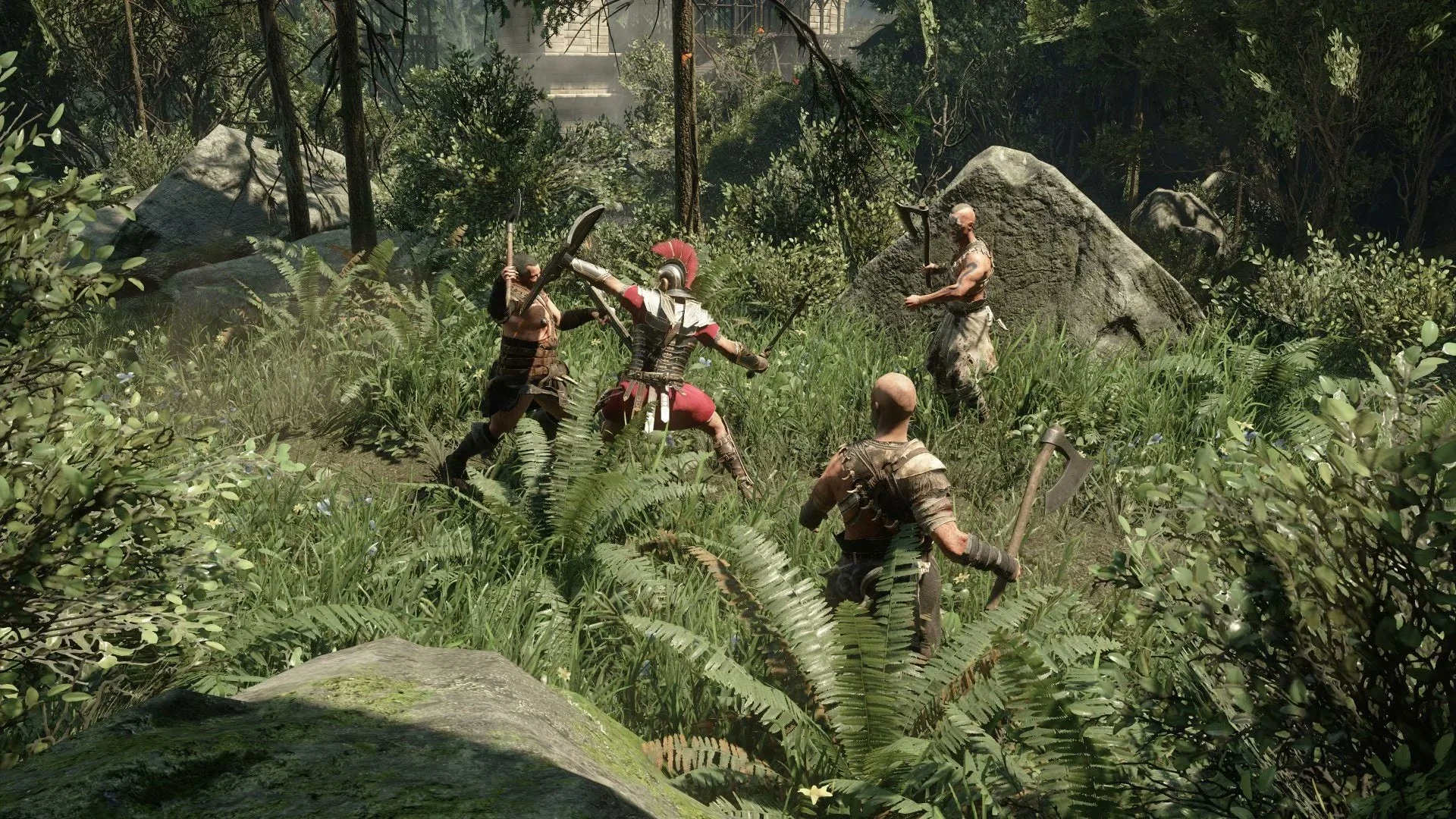
In the end, Ryse: Son of Rome could have become far more than just an Xbox One launch title.
It could have evolved into a historical action franchise that moved between eras, warriors, and civilizations with each new installment.
But disappointing commercial performance, the financial problems faced by Crytek, and the dispute over ownership rights stopped that future before it truly began.
Xbox may once have had a project capable of becoming a true rival to Assassin’s Creed. Instead, Ryse became a clear example of how a single business dispute can end the dream of an entire franchise before the second installment even arrives.
```


